

Case Study 2: Servo Oil (Multan)
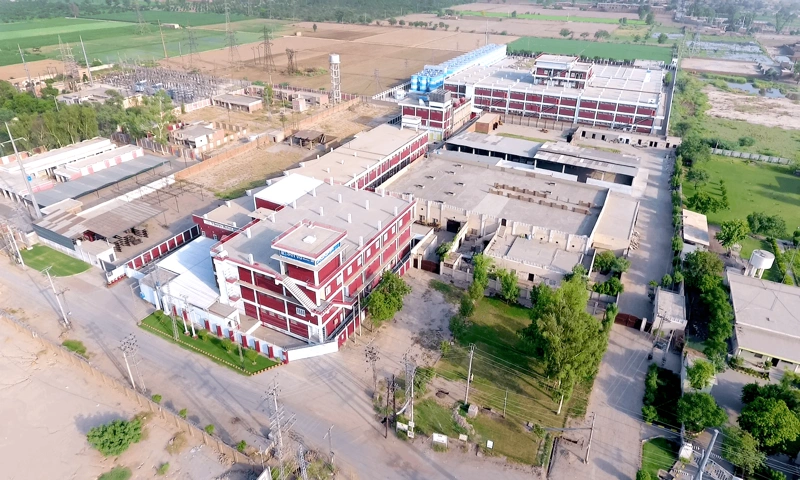
1. Company Overview
Servo Oil, based in Multan, operates in the lubricant industry, supplying automotive, industrial, and agricultural lubricants across Punjab. Its customer base includes auto workshops, transportation companies, farmers using tractors and machinery, and small manufacturing units. The company positions itself between high-priced multinational brands and cheaper local oils, focusing on affordability and trust.
2. Challenges
- Counterfeit Market: The lubricant industry in Pakistan faces a major issue with counterfeit and low-quality oils, reducing consumer trust.
- Intense Competition: Global brands like Shell, Caltex, and Total dominate urban centers, making it hard for mid-tier companies to compete.
- Supply Chain Disruptions: Currency fluctuations, import duties, and shipping delays increase costs.
- Consumer Awareness Gap: Small-scale vehicle owners and farmers often choose cheaper but harmful lubricants due to lack of knowledge.
3. Strategies & Solutions
- Dealer-Centric Approach: Servo Oil built strong relationships with mechanics, retailers, and wholesalers in Multan and surrounding districts.
- Affordable Packaging: Offered small packs (1L, 2L, 5L) to attract low-income customers, particularly rickshaw drivers and farmers.
- Anti-Counterfeit Measures: Introduced tamper-proof seals, holograms, and verification codes on packaging to differentiate genuine products.
- China-Based Imports: Secured reliable supply from Chinese manufacturers to reduce cost pressures.
- Loyalty Programs: Provided incentives and discounts to mechanics who recommended Servo Oil products.
4. Outcomes & Results
- Market Share Growth: Within three years, Servo Oil captured a significant portion of the lubricant market in southern Punjab.
- Customer Trust: By ensuring product authenticity, Servo Oil became a “go-to brand” for transporters who value reliability.
- Improved Reputation: Positioned as a cost-effective yet dependable alternative to multinationals.
- Stable Dealer Network: Strengthened long-term loyalty among distributors and mechanics.
5. Future Prospects
- Synthetic & Semi-Synthetic Oils: Growing demand for high-performance lubricants in urban areas presents an expansion opportunity.
- Geographic Expansion: Potential to expand into Sindh, KPK, and Balochistan using a franchise distribution model.
- Digital Branding: Social media and digital campaigns can attract younger vehicle owners.
- Risks: New entrants from Middle Eastern oil companies and stricter environmental regulations on lubricants could create pressure.
6. Key Learnings
- Building dealer and mechanic trust is critical in the lubricant business.
- Counterfeit protection directly improves credibility in markets prone to fake products.
- Mid-tier companies can thrive by offering affordability plus quality, instead of competing directly with big brands.